
Even though cybersecurity should be a priority for small businesses, small business owners often play a game of wait-and-see. They invest in basic cybersecurity tools and then assume all will be well. It is only when something serious happens that they decide to move beyond basic protection. But by then, it could be too late.
If you are a small business owner content with basic security, be aware that cybercriminals could already be plotting an attack in the shadows. At least consider investing in dark web threat intelligence. It could help you locate the proverbial canary in a digital coal mine.
The Basics of Dark Web Threat Intelligence
Decades ago, coal miners would take canaries with them into the mines. The birds were used as living carbon monoxide detectors. If a canary died in the mine, miners knew that carbon monoxide levels were getting dangerously high. They knew to evacuate.
Cybersecurity analysts have their own canaries that tell them threats are imminent. But in order to leverage these digital clues, you have to go out and look for them. That is the point of dark web threat intelligence.
The dark web is described by intelligence provider DarkOwl as a hidden layer of the internet normally inaccessible by Google and other traditional search tools. But it is also a marketplace and a community. The dark web is populated by criminals, political groups, and even rogue nation operators.
Dark web threat intelligence is all about finding out what these various individuals and groups are doing by paying attention to their activities in the hidden corners of the internet. Analysts look for information in dark web forums (perhaps looking for Telegram threat intelligence), marketplaces, and code repositories.
What Analysts Are Looking For
A good analyst goes beyond random data for specific clues about pending threats. The big question is this: what are analysts actually looking for? They are looking for the canaries that indicate potential danger. Examples include:
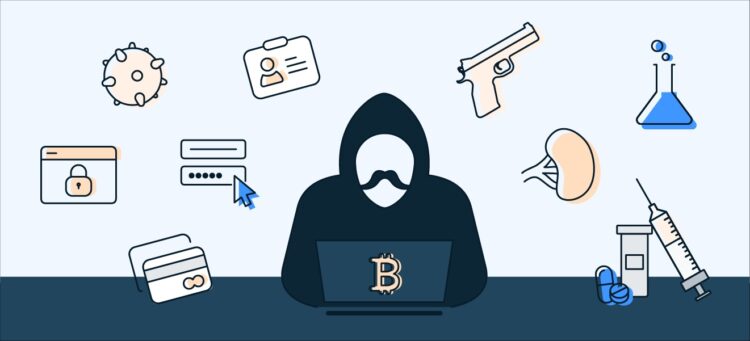
- Compromised Credentials – Finding compromised employee usernames and passwords, especially those that come from previous breeches, might indicate that hackers are about to strike.
- Financial Data – Stolen financial data, like corporate credit card numbers and bank accounts, are often bought and sold on the dark web.
- Intellectual Property – Hackers dealing in intellectual property, like internal company documents or proprietary designs, suggest something might be amiss.
- Chatter – One of the most alarming signals is the frequent mentioning of an organization or domain in dark web chatter. This almost always signals a soon-to-be launched attack.
These signals demonstrate that an organization could be at risk. For a small business, learning about potential threats ahead of time could make the difference between stopping them and sustaining serious damage.
Truth be told, small and medium-sized businesses are often preferred targets because hackers know they have weaker defenses. For that reason alone, small business owners should not ignore dark web threat intelligence opportunities.
The Value of Early Detection

Early detection is one of the most critical advantages of dark web intelligence. By identifying risks before they materialize into active attacks, businesses gain valuable time to respond. This proactive approach shifts cybersecurity from a reactive cost center into a strategic defense mechanism.
Instead of scrambling after a breach, organizations can strengthen passwords, alert affected employees, revoke compromised access, and monitor suspicious activity. Early warnings can also inform broader decisions, such as increasing security budgets or revising internal policies.
In many cases, the difference between a minor incident and a major breach comes down to timing. Detecting threats days or even hours earlier can significantly reduce financial loss, reputational damage, and operational disruption.
In-House or Outsourced
The good news for small business owners is that it’s not necessary to hire an army of hackers to conduct dark web threat intelligence. And in fact, it’s rarely a good idea for small businesses to do things in-house.
Digging around the dark web is risky. It also requires specialized software and anonymizing tools. Analysts need special skills as well, including the ability to separate digital noise from legitimate threats. For most small businesses, outsourcing is a better option.
Whether in-house or outsourced, dark web threat intelligence is a valuable tool in the fight against cybercrime. It represents a canary in a digital coal mine, protecting small businesses against attacks that could lead to catastrophic consequences.
Key Benefits for Small Businesses
Adopting dark web threat intelligence offers several practical advantages for smaller organizations that may not have extensive security resources:
- Improved Risk Awareness – Businesses gain visibility into threats they would otherwise never see.
- Cost Efficiency – Preventing a breach is significantly cheaper than recovering from one.
- Targeted Security Measures – Intelligence allows businesses to focus on real threats rather than generic protections.
- Competitive Advantage – Demonstrating strong cybersecurity practices can build trust with customers and partners.
These benefits highlight how even limited investment in intelligence can produce meaningful security improvements.
Common Misconceptions About the Dark Web
Many small business owners assume the dark web is only relevant to large corporations or government agencies. This misconception often leads to inaction. In reality, cybercriminals frequently target smaller organizations precisely because they are less prepared.
Another misunderstanding is that monitoring the dark web is overly complex or inaccessible. While it does require expertise, modern services have simplified access to actionable intelligence. Businesses do not need to understand every technical detail; they only need to act on credible alerts.
There is also a belief that basic security tools are sufficient. While firewalls and antivirus software are important, they do not provide insight into external threats already in motion. Dark web intelligence fills this gap by revealing intent, not just activity.
Practical Steps to Get Started
For businesses considering dark web threat intelligence, a structured approach can make adoption easier:
- Begin by assessing current cybersecurity gaps and vulnerabilities.
- Identify critical assets such as employee accounts, financial systems, and sensitive data.
- Choose a reputable intelligence provider or managed service.
- Establish response procedures for when threats are detected.
- Regularly review reports and adjust security measures accordingly.
Taking these steps ensures that intelligence is not just collected, but effectively used.
Final Perspective
Whether in-house or outsourced, dark web threat intelligence is a valuable tool in the fight against cybercrime.
It represents a canary in a digital coal mine, protecting small businesses against attacks that could lead to catastrophic consequences.