
Healthcare produces vast amounts of data daily. Tracking is needed for patient visits, lab work, and prescriptions. A vast digital network handles this information flow, though most people never notice it exists. This hidden infrastructure drives nearly every medical breakthrough we see today.
The Invisible Network That Saves Lives
Walk into any hospital. Machines beep constantly. Monitors display vital signs. Computers update charts. Behind all this activity, thousands of data points zip through cables and wireless connections every minute. These devices no longer function independently. An abnormal heart rhythm triggers an alert at the nurses’ station. No delay. No human messenger is needed. Lab equipment shoots test results to doctors’ tablets before technicians even clean up. The pharmacy computer spots a dangerous drug combination and stops it cold.
Different departments share critical information now. An emergency room doctor in Miami pulls up medical records for a tourist from Seattle in seconds. No phone calls to track down files. No waiting for faxes that might never arrive. Those saved minutes are crucial when someone is bleeding. There are benefits beyond speed. Accuracy improves too. Handwritten notes used to cause deadly mistakes. Now digital records eliminate confusion over messy handwriting or unclear abbreviations. The computer never misreads a dosage.
Security Meets Innovation
Medical records hold secrets. Personal health details that people guard closely. Securing data for treatment is challenging. Every connection between devices opens a potential door for hackers. Criminals know medical records sell for good money on the dark web.
Healthcare organizations face constant attacks. The defenses have to work perfectly every time. HIPAA-compliant IoT solutions bridge the gap between accessibility and protection. Companies like Blues IoT create systems to link medical devices. This ensures compliance with federal privacy regulations.
Remote Care Changes Everything
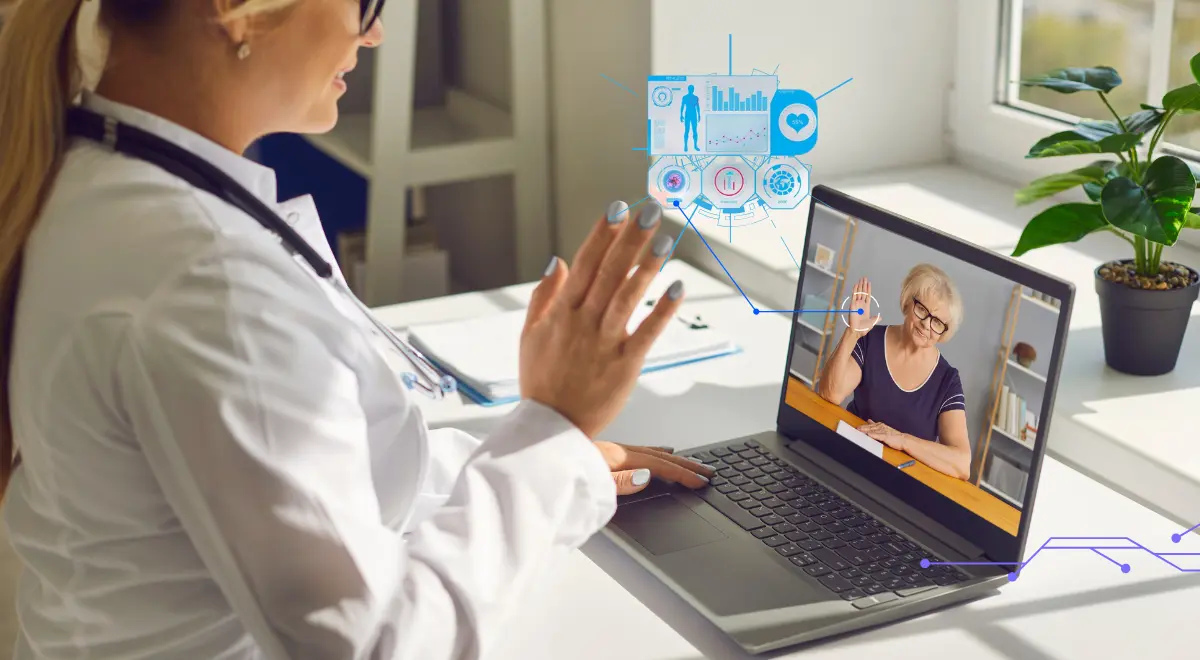
Remember when checking blood pressure meant driving to the doctor’s office? Those days are fading fast. Patients test themselves at home now. The results land in their medical charts automatically. Smart scales detect fluid retention in heart patients before symptoms appear. Oxygen monitors track lung function for COPD sufferers around the clock. Pill bottles remind people to take medications. It’s basic, yet it prevents hospitalizations.
The most significant increases are observed in rural regions. A rancher in Montana with heart disease gets the same monitoring as someone in Manhattan. Video appointments bring specialists into living rooms hundreds of miles away. Bad weather doesn’t cancel crucial follow-ups anymore.
Using connected devices empowers elderly people to stay independent longer. When usual patterns change, motion sensors can identify these shifts as potential problem indicators. Automated pill dispensers help avoid mistakes with medication. Children can use apps to track their ageing parents’ well-being. They can do this without giving the impression of being too controlling. Dignity matters as much as health.
Data-Driven Decision Making in Clinical Practice
Modern healthcare systems do more than store data. They analyze it. Patterns emerge from thousands of patient records, revealing trends that were previously invisible.
Doctors now rely on predictive insights generated from aggregated data. Subtle warning signs, minor fluctuations in vitals or lab results, can indicate serious conditions when viewed in context. These insights support earlier diagnoses and more precise treatments.
Key advantages include:
- Faster diagnosis: Data highlights anomalies quickly
- Personalized treatment: Care plans adapt to individual patterns
- Improved outcomes: Early intervention reduces complications
This shift transforms medicine from experience-based to evidence-driven practice. However, clinical judgment remains essential. Technology informs decisions, but professionals interpret them.
Interoperability – Connecting the Entire Ecosystem
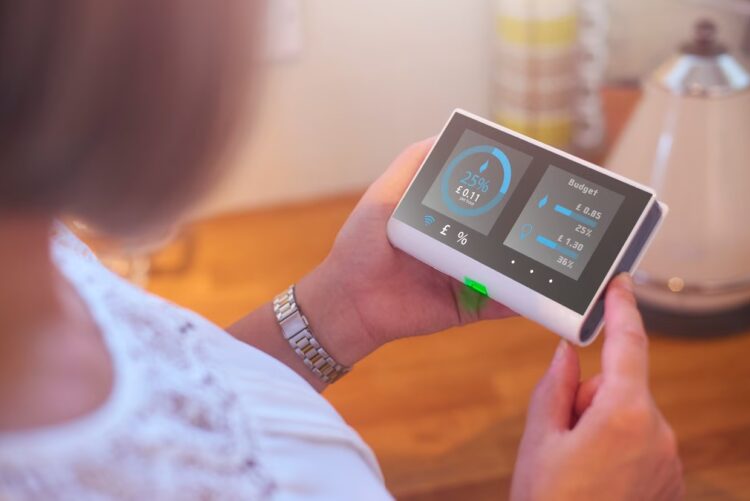
Healthcare systems once operated in isolation. Today, interoperability connects hospitals, clinics, laboratories, and pharmacies into unified networks.
This connectivity allows seamless data exchange across platforms. A patient’s history follows them regardless of location. Specialists collaborate without delays caused by fragmented systems.
Key benefits of interoperability include:
- Continuity of care: Providers access complete patient histories
- Reduced duplication: Fewer repeated tests and procedures
- Operational efficiency: Streamlined workflows across departments
Challenges remain. Systems must align standards and ensure compatibility. Yet progress continues toward fully integrated healthcare ecosystems.
The Expanding Role of Smart Devices
Connected medical devices are becoming more advanced. Wearables, smart implants, and home monitoring tools continuously collect health data. These devices form the foundation of the Internet of Medical Things (IoMT).
They enable:
- Continuous monitoring of vital signs
- Real-time alerts for abnormalities
- Automated data transmission to healthcare systems
These technologies improve patient engagement and allow individuals to take a more active role in their health. Studies show that continuous monitoring leads to better outcomes and fewer hospital visits .
As devices evolve, they will integrate artificial intelligence to provide even more precise insights.
The Human Touch Remains Essential

Technology cannot substitute for medical professionals. This frees them up to focus on patient care. Reducing administrative tasks allows for more direct patient interaction. Doctors can concentrate on patients during examinations by dictating notes with voice recognition, instead of looking at a screen.
The data helps medical staff make better decisions. Patterns emerge from thousands of cases. Subtle warning signs become obvious when computers analyze trends. But humans still interpret what it all means. Empathy, intuition, and experience; no algorithm matches those yet.
Long Term Challenges
Despite its benefits, digital healthcare faces ongoing challenges.
- Cybersecurity risks: Increasing connectivity expands attack surfaces
- Data overload: Managing vast datasets requires advanced tools
- Integration complexity: Aligning systems across institutions remains difficult
Addressing these challenges is essential for sustainable progress. Strong governance, improved standards, and continuous innovation will define the next phase of healthcare evolution.
Conclusion
Digital systems form healthcare’s hidden foundation, working nonstop behind the scenes. Connected equipment catches problems early. Encrypted networks balance access with privacy. Remote monitoring breaks down geographic barriers. Crucial infrastructure improvements happen daily. They often go unnoticed. Patients won’t see these systems. However, improved diagnoses, fewer errors, and better outcomes will be apparent. The quiet revolution continues.